
I’m usually the last to hear, so if this is old news to you feel free to move on . . .
I was up at my usual before-sunrise time and decided to make an early run for a few groceries and cough syrup. I was out of both. I hadn’t been out of the house for a week. Hence, the empty bottle of cough-syrup and a much needed restock of my favorite snacks. Having turned half-a-corner, I ventured out early in hopes of less traffic and shorter lines.
In truth, I dreaded it. I didn’t have the strength. But I gathered my almost dried-up-gumption, brushed my teeth, and ventured out to climb this mountain . . .

To my surprise, it turned out to be one of most pleasurable shopping experiences of my life! (Maybe I’m exaggerating a little here.)
I found a cart and made a beeline for the snack aisle.
Something was different.
What was it?
Then I heard an announcement . . .
Enjoy your shopping experience this morning with lower lights and no music. We hope less distractions provide you a more calm, enjoyable shopping experience.
WHAT? LESS DISTRACTIONS?
When did this countercultural moment-in-time begin?
Who thought of this?
Did someone in charge just decide to turn the volume down on our world for a little while? Bless their heart.
And to top it off . . . the voice offering this gift was calm, almost soothing. Usually store announcements make me want to tell the manager that not everyone who shops their store needs a hearing device.
I’ve never been invited into a quiet space while shopping in a store this size . . . of any size!
Seriously . . . where did this come from?

My first thought—another marketing ploy.
Wine and dine them and they will come. Maybe. But lower lights with no music isn’t quite an equal match for a good bottle of Chardonnay and Chicken Cordon Bleu.
My next thought—the children.
Sensory overload can easily wear a child out. It happens when they’re getting more sensory input that their brain can sort out. According to JAMA Pediatrics (Journal of the American Medical Association), one in six children have sensory processing difficulties. In neurodivergent children, those with Autism Spectrum Disorder, ADHD, or those with intellectual and developmental limitations, prevalence could be as high as 80-100%.
Kudos if they thought of the children.

But sensory overload has no age limits. The National Library of Medicine states that current estimates indicate that 5% to 16% of the general population have symptoms associated with sensory processing challenges and these estimates are higher for clinical populations such as autism spectrum disorder and attention deficit hyperactivity disorder.
It may also depend on age, temperament and other physical and mental health condition. People with dementia feel extremely compromised sorting sensory information. This can be extremely distressing and disorienting.
My final thought—Why was I enjoying this so much? I have no sensory processing difficulties . . . that I know of.
Could it be because less distractions improve mental clarity and eases stress?
Could it be that because quiet boost brain cells in the hippocampus and memory improves? (YAY!!!! My chances of remembering what was on my list at home just greatly improved!)
After I had loaded my cart with all the snacks I could without feeling too guilty, and the cough syrup, I put in my two-cents-worth to several employees on the way to the check out . . .
“I really like this quieter shopping experience!”
Everyone. Everyone had a comment . . .

“I love it.”
“We all need a little more peace in our day.”
“It slows things down, doesn’t it?”
“Best thing they did.”
And the clerk at the check-out . . .
“It’s nice in the morning. They tried it at night for a while, and my night shift seemed to last forever so, between you and me, I need some tunes at night to make the time go faster!”

I wonder what would happen if businesses reduced the stimuli for short periods throughout the day?
Would behavior change? Would neurodivergent children, or any children for that matter, be less irritable?
Would shoppers leave less restless, more relaxed? Would they remember everything they had on their list left at home?
Could it possible help change the hurried and harried culture one tiny step at a time?
Maybe this would work at home.
Maybe home is the place to start!
Maybe short intentional moments of quiet would grow some ease and clarity into a day.
Might be time to . . .
dim the lights,
turn off the music, and
see what happens.
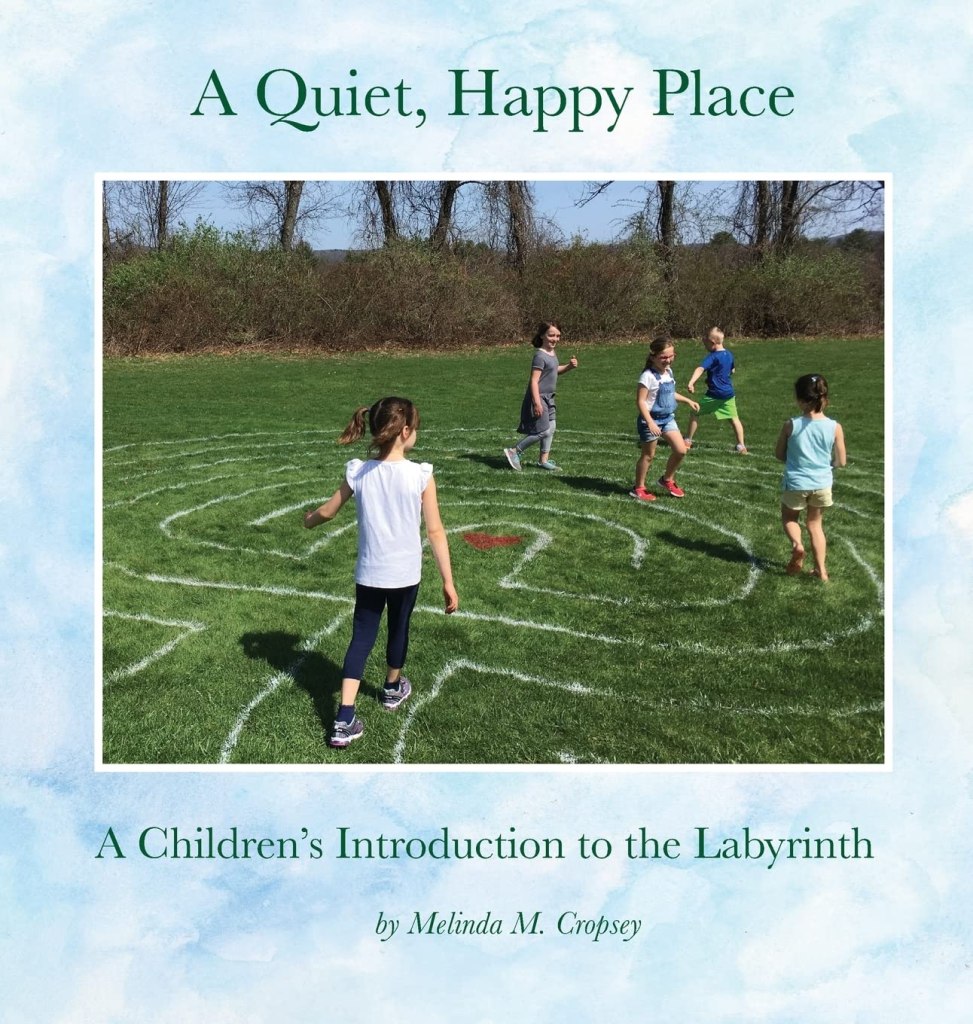
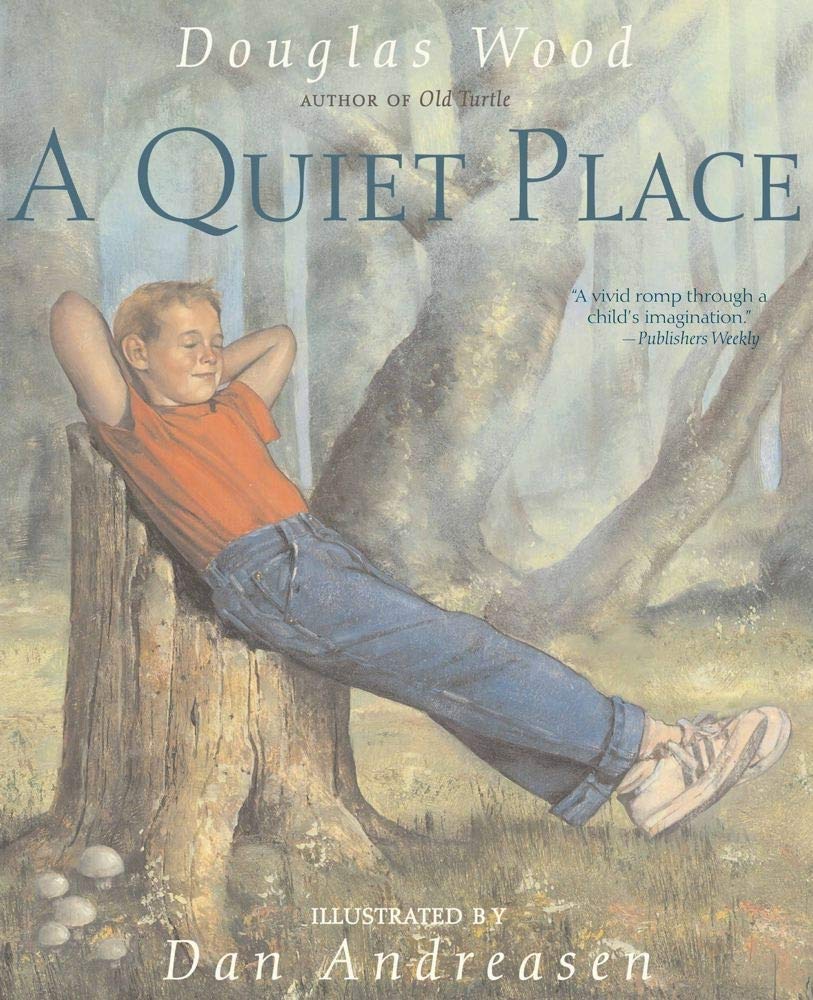
A few books for inspiration . . . for you or with your littles.I
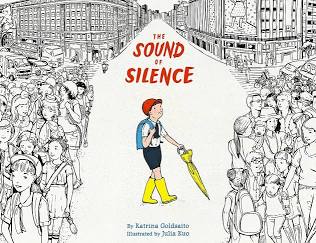

And here’s one to help children understand those with autism who have sensory processing deficiencies . . .
Wings of EPOH, by Gerda Weissmann Klein “This is a story about a boy who has an Autism Spectrum Disorder (ASD), and his journey to find meaning, acceptance and friendship in a world that is confusing to him. For Matthew, lights are too bright and sounds are too loud.” (This book may be hard to find, but worth the search.)

By the way, I didn’t forget anything on my list!
 Karen Condit/Children's Author